Choose your course and apply TODAY! Become a CDL Driverwith in weeks!
Truck Driver Career Benefits
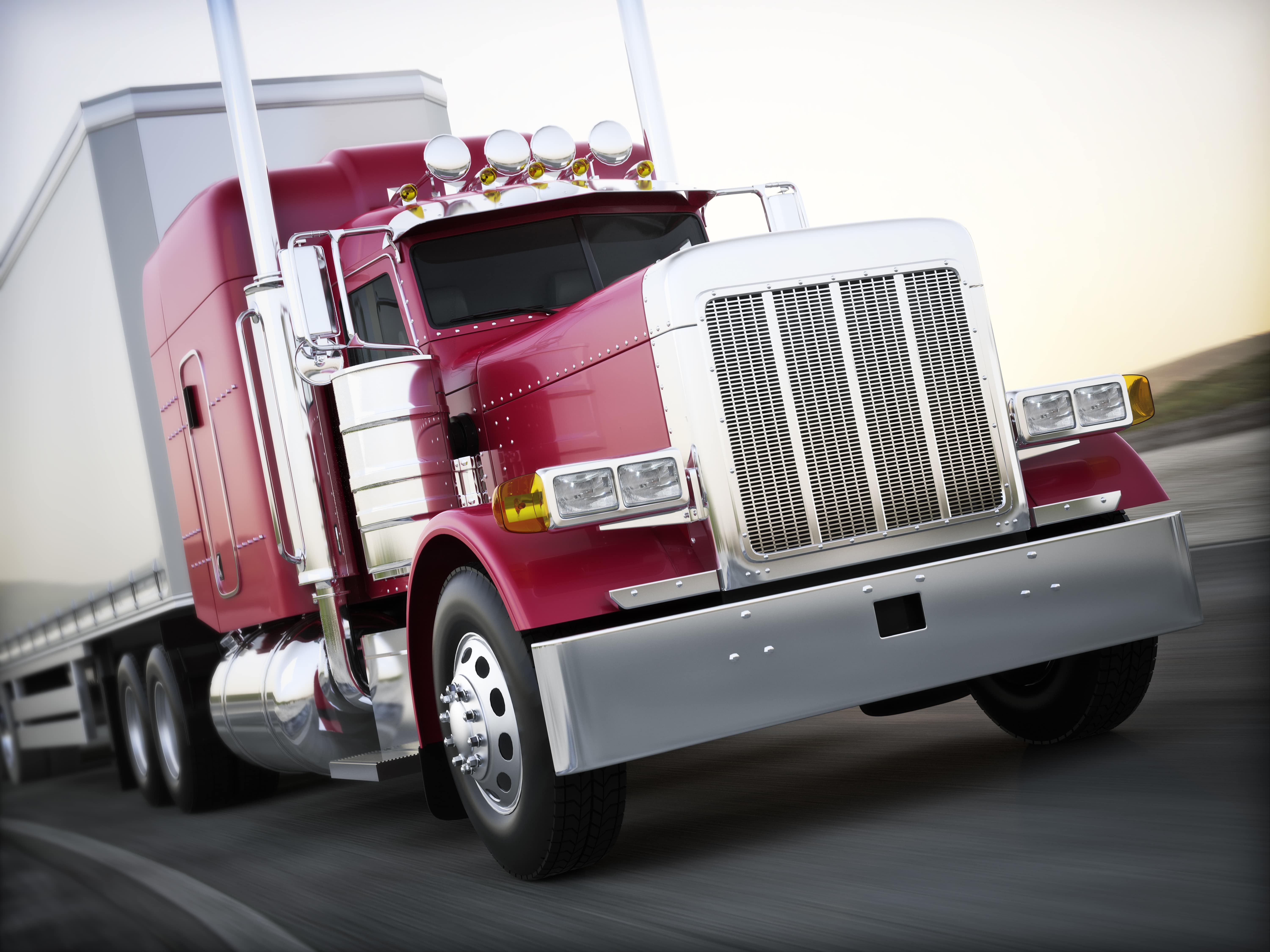
Class A
A CDL Class A commercial truck driver will be required to obtain this license to operate any combination of vehicles with a GVWR of 26,001 lbs. or more, including any towed vehicle that has a weight of more than 10,000 lbs.
Here are a few examples of vehicles which will require a CDL Class A License for operation:
A Class A license will aslo allow drivers to operate most Class B and Class C vehicles as long as he or she possesses the required endorsement.
Click Here To Apply

Class B
A Class B CDL allows a driver to operate commercial trucks that have an attached cab and cargo area with a combined weight greater than 26,000 pounds, as well as trucks with a detached towed cargo vehicle that weighs less than 10,000 pounds. Examples of vehicles that drivers with a Class B CDL license may operate include tow trucks, dump trucks, delivery trucks and utility trucks. Drivers of certain special-purpose vehicles, such as school buses, commercial buses, certain farm vehicles and fire engines, may have to satisfy additional test requirements.
Minimum requirements for earning a CDL license have been established by the federal government. State requirements may vary but must be at least as strict as federal regulations. CDL testing may be conducted by the state or through an authorized school or training program.
The U.S. Bureau of Labor Statistics reports that jobs for tractor-trailer and other heavy truck drivers are expected to grow 5% from 2014-2024. The median salary for these workers was $40,260 in May 2015. Transit bus drivers should see 6% job growth, while job openings for school bus drivers should grow by 6% from 2014-2024. The median salary for transit bus drivers was $38,290 in May 2015, per the BLS, and school bus drivers earned a median of $29,490.
Click Here To Apply
Class B
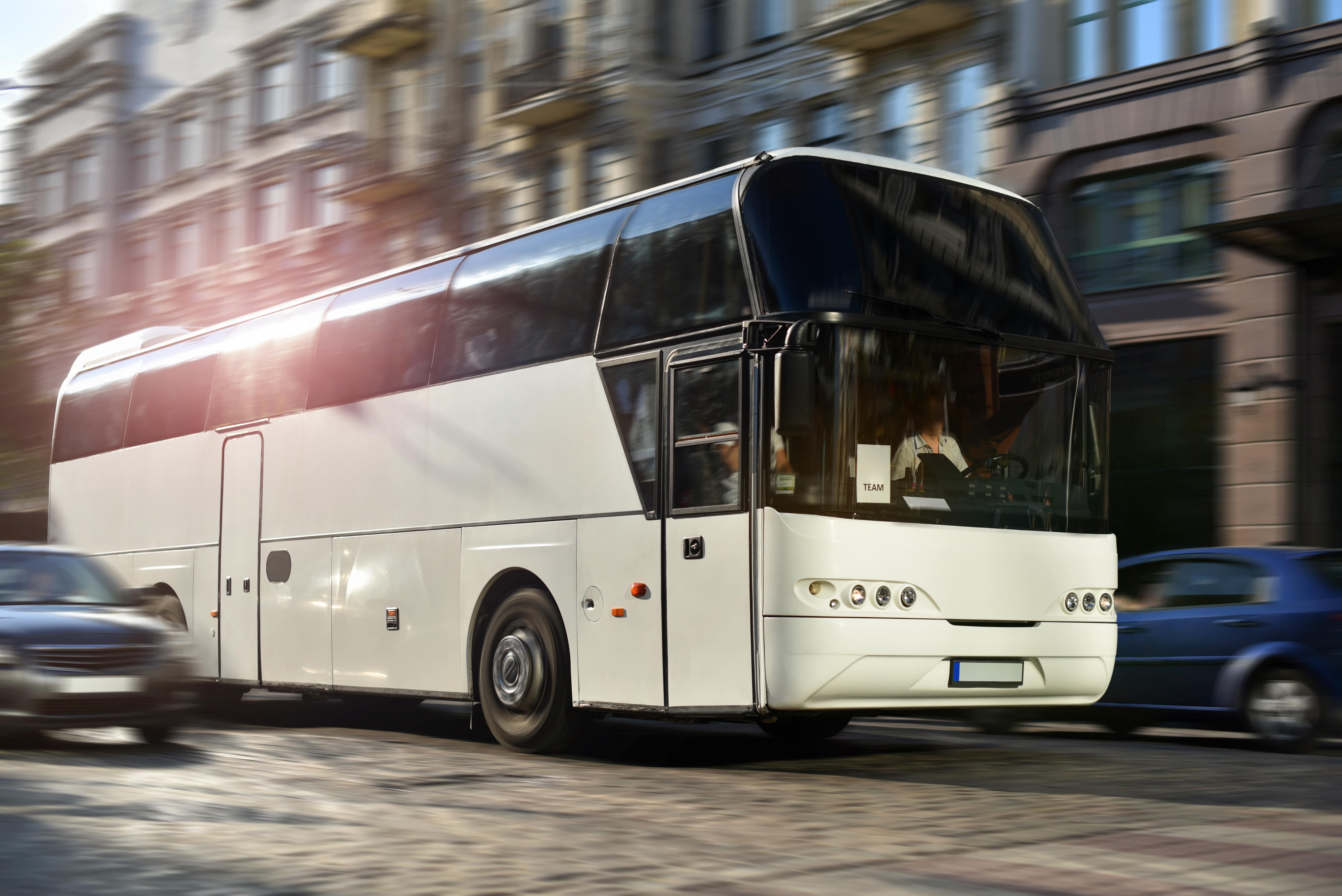
Passenger Endorsment
To drive any vehicle, except a school bus, designed to carry 16 or more persons, including the driver
Click Here To Apply
Class B
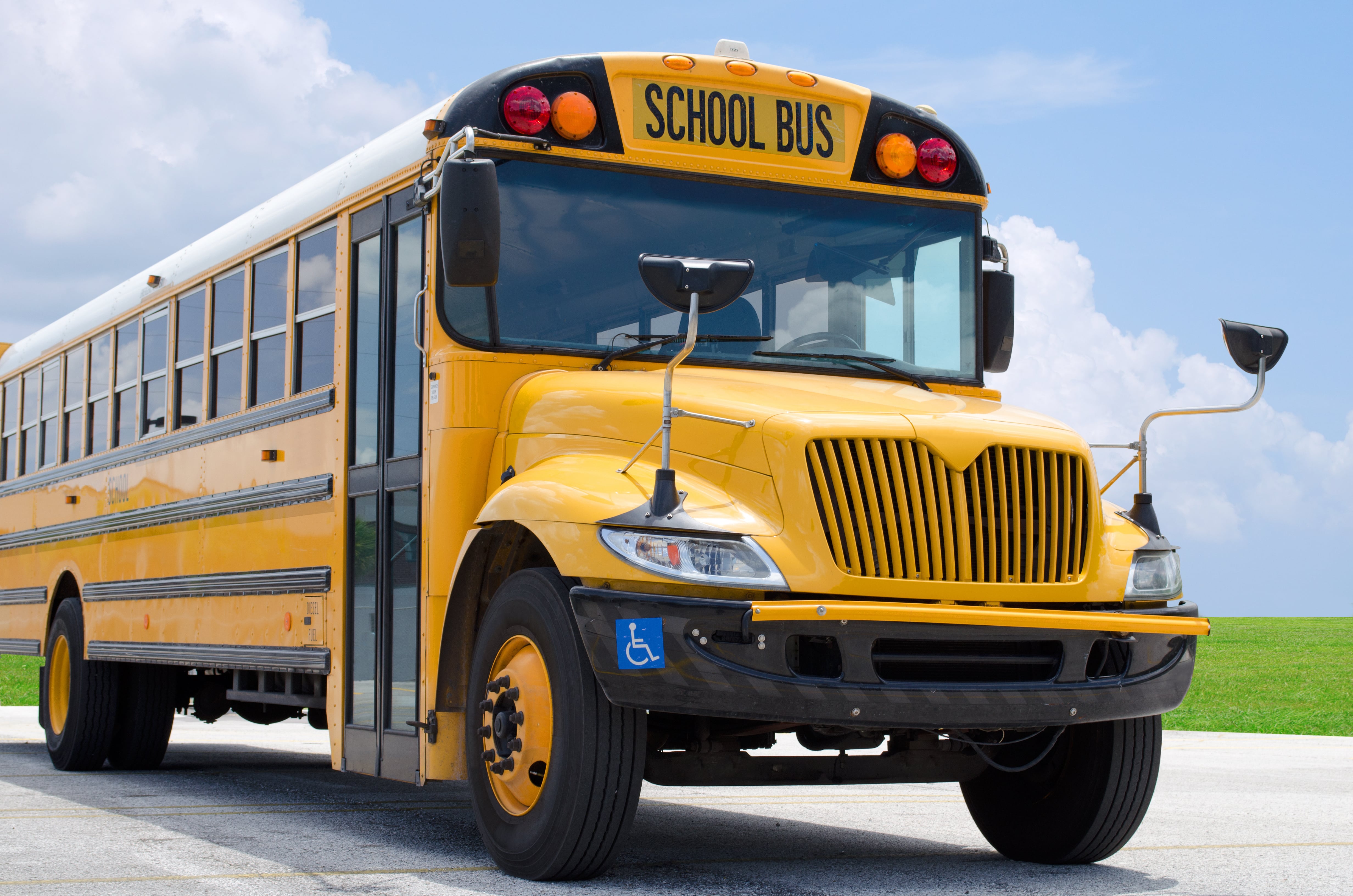
School Bus endorsment
To drive a vehicle designed to carry 16 or more persons, including the driver that is marked with or displays the words “school bus” and is used to transport students to or from school and may be used to transport students to or from authorized school activities.
A school bus manufacturer, dealer or mechanic is not required to have the endorsement while operating a school bus that is not transporting students. A driver must qualify for a passenger endorsement before obtaining a school bus endorsement.